Addi
//
Addi //
Knitting and crochet tools made in Germany. They have been producing knitting needles and crochet hooks in Altena, Westphalia for almost 200 years. The family-run company is now in the hands of the 6th generation. They manufacture a full 93% of their product range in Germany, from the raw materials to the finished product.
The origin of their products is fully traceable. Fair working conditions, including at there non-EU suppliers, are an integral part of their philosophy. Conditions are ultimately part of sustainable business, and they are all about sustainability. This is the only way that “luxury for your hands” can truly bring joy to everyone.

Olive wood circular
knitting needle
Finest olive wood finished with organic wax. The wax is burned in and ensures that the surface layer lasts much longer than with a conventional coating. The very
hard wood allows for finer and longer tips.
The needle tips are made from olive wood from non-bearing trees. No tree is specifically cut down for the needles. Because a distinctive natural material is used, each needle is unique. As a rule, the wood is 150 years old.
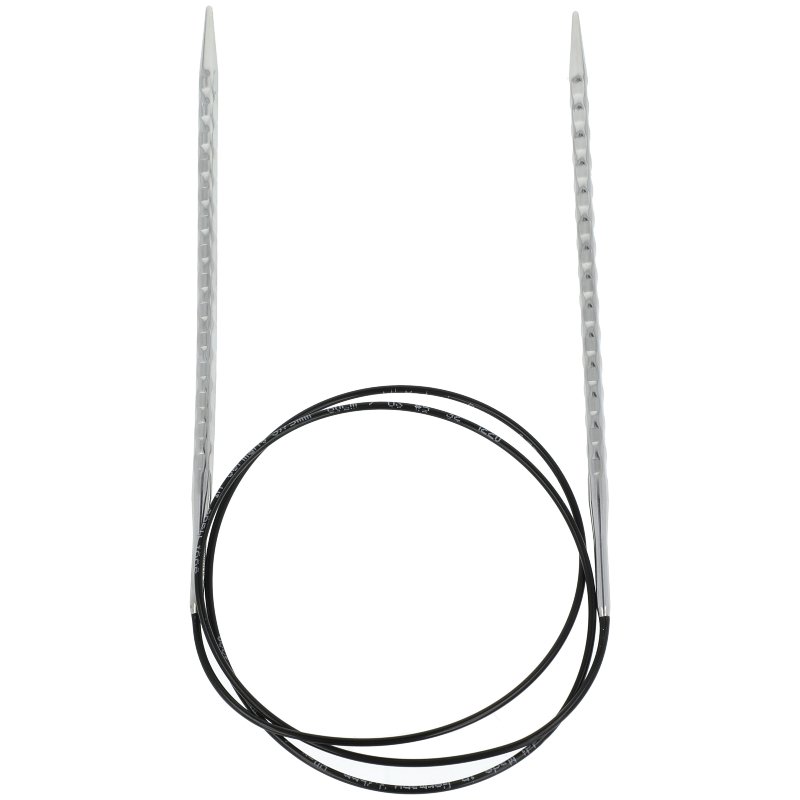
Circular Needle Ergonomic Lace
The square needle offers particularly comfortable handling and uniform stitches.
Perfect transition from the
extra lightweight tips to the highly
flexible cable.
Very smooth, polished metal tips made of white-bronzed brass

Circular Needle Unicorn
Thanks to the flexible, pink middle part, the knitting needle made of white-bronzed brass adapts to every hand. The wave-like structure of the needles lightly massages the hands while knitting, ensuring a relaxed knitting experience.

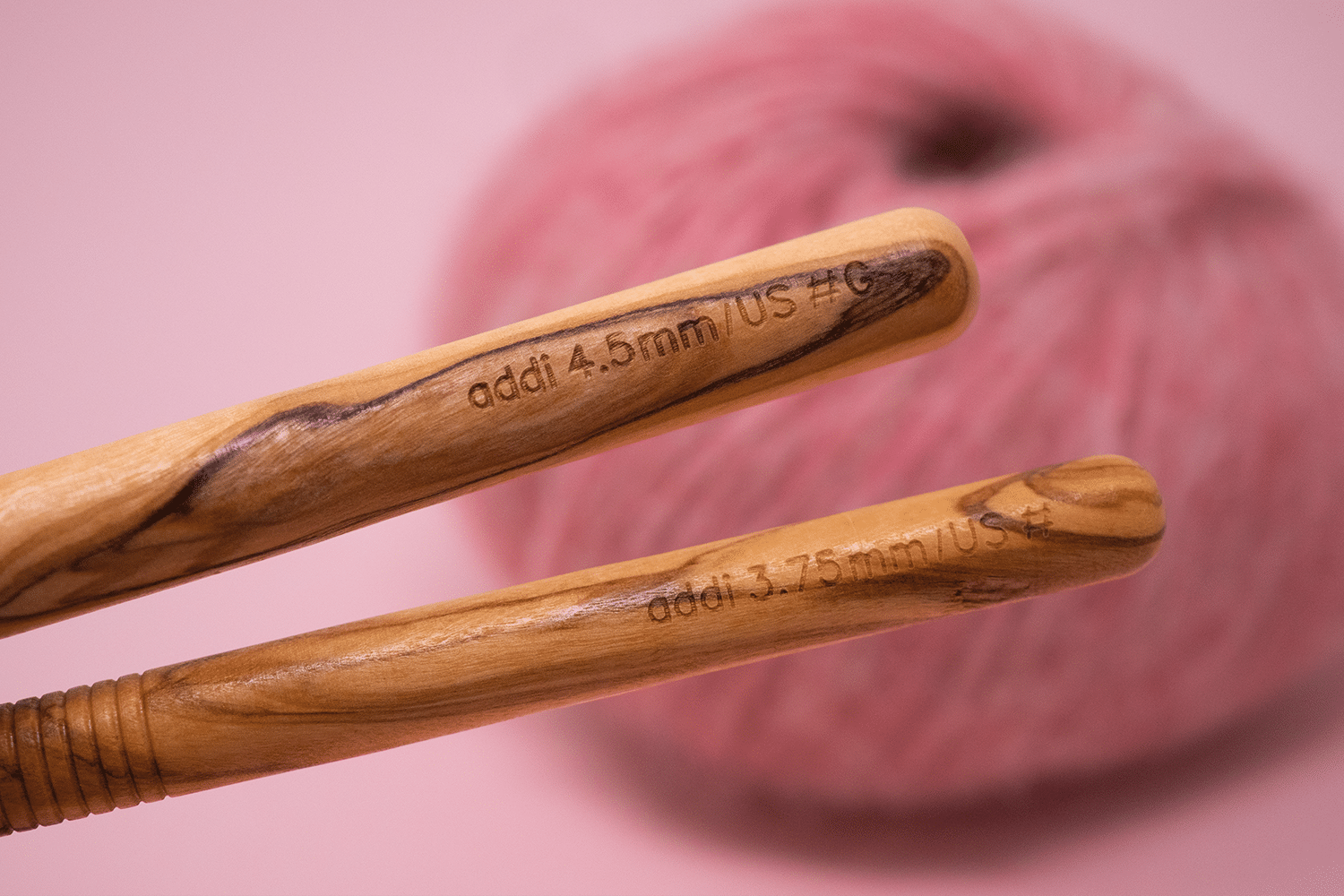
Crochet hook olive wood
Each handle made of olive wood possesses a unique grain, which is particularly enhanced by treatment with vegetable oil. Additionally, the handle is textured for a pleasant tactile feel and a secure grip while crocheting.
Made from olive wood from non-bearing trees. No tree is specifically cut down for the needles. Because a distinctive natural material is used, each needle is unique. As a rule, the wood is 150 years old.