ITO
//
ITO //
ITO is the Japanese word for yarn.
The ITO yarn portfolio is characterized by special manufacturing processes, unusual material compositions and an unusual variety of colors. Whether it is dry-grip chenille linen paper yarn with a cotton core, malleable silk with stainless steel, ultra-soft silk mohair yarn, yarn made from bourette silk or particularly fine merino, ITO yarns provide a tactile experience. The high value that paper has in Japanese culture, including for textiles and clothing, is demonstrated by five yarns made from paper or with a paper content.
ITO”S goal is not only to offer exceptional products of the highest quality, but also to ensure that their actions protect the environment, animals and people.
Gima 8.5
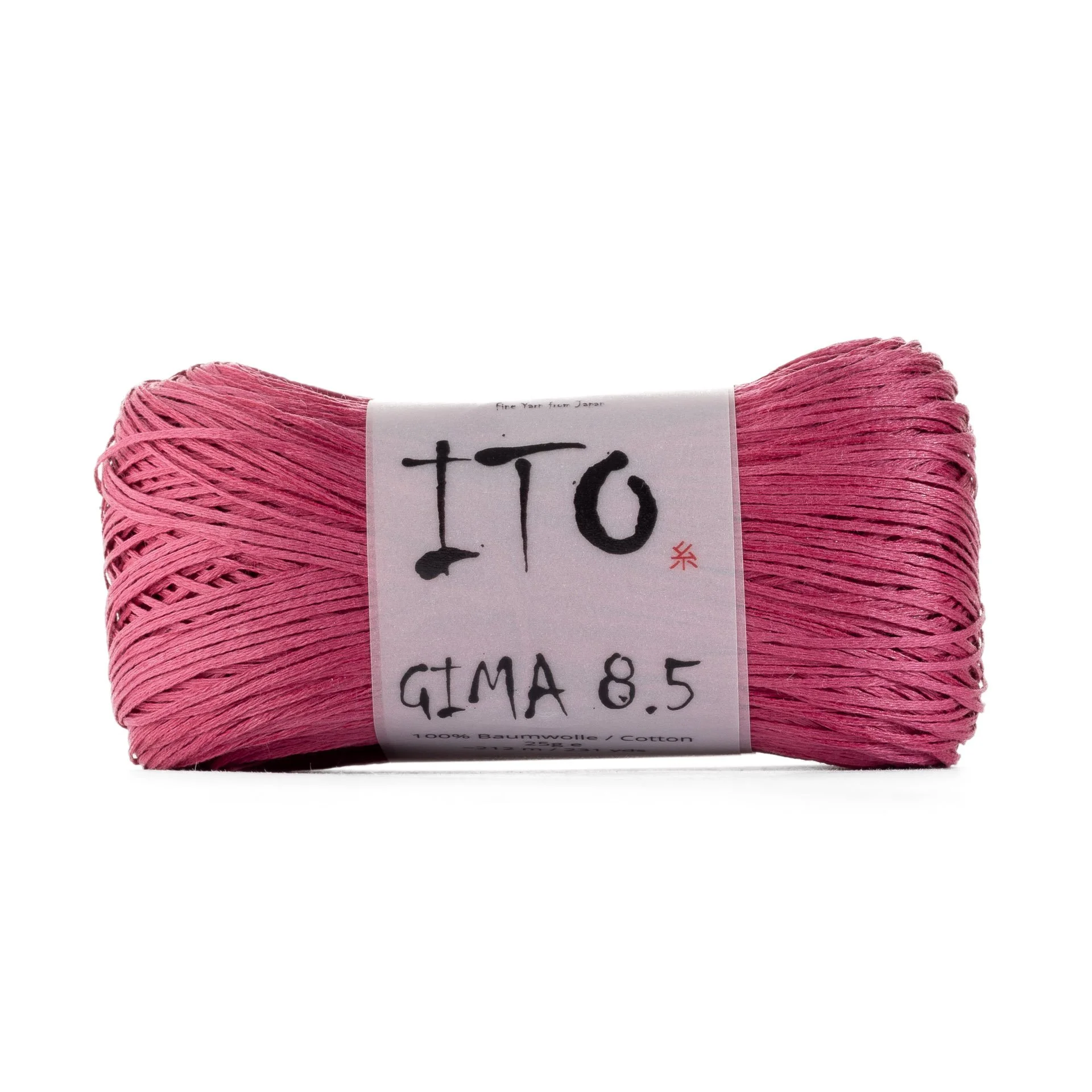
Gima 8.5 is an exceptional cotton yarn that is given its unique and unusual appearance through a special manufacturing process. The structure of this yarn adds a special touch to knitting and crochet projects and creates light, airy textures that are ideal for summer clothing and accessories.
Composition
100% Cotten
Metreage ~212m/25g
Needle size 2mm
Tetsu
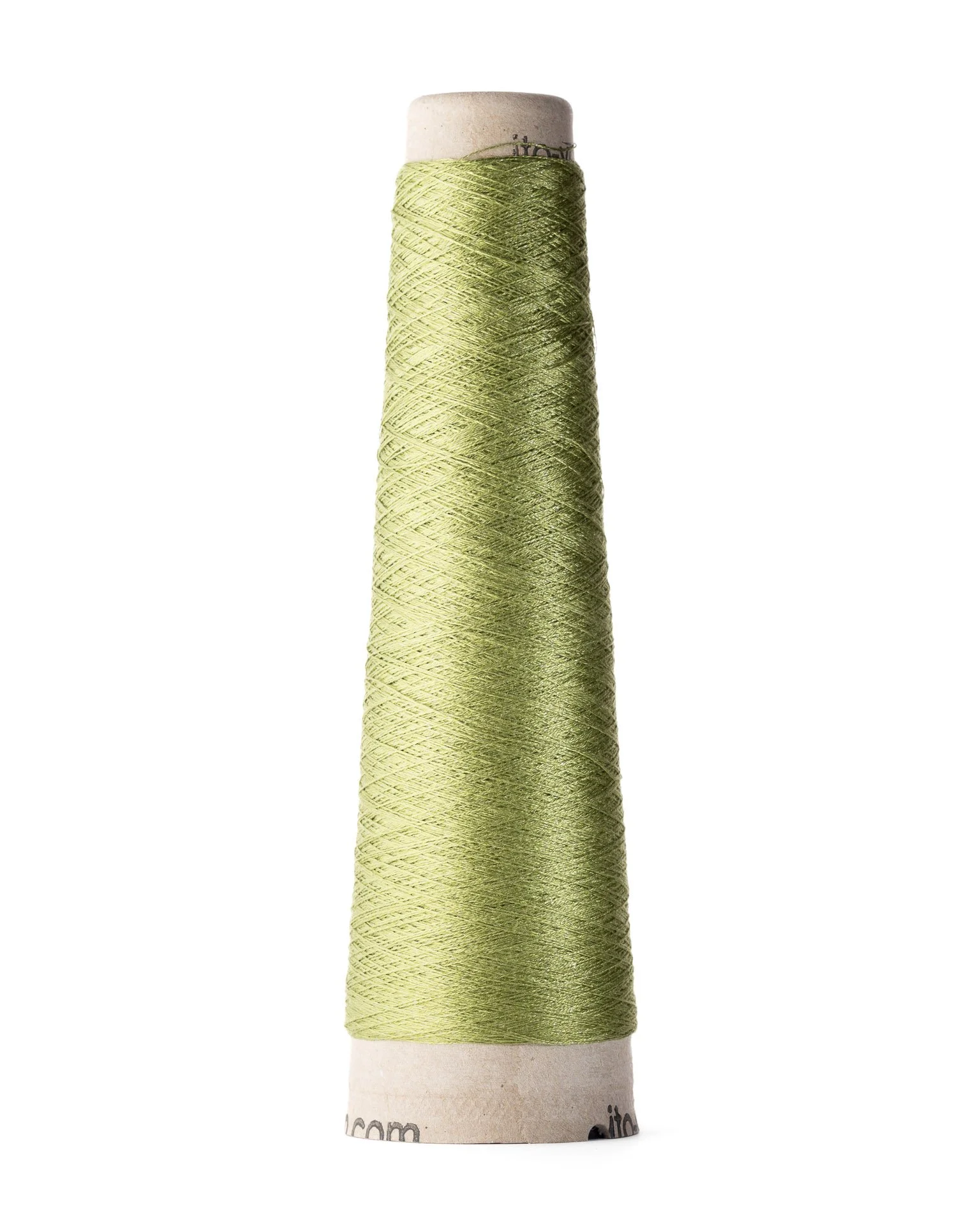
The combination of mulberry silk with a stainless steel filament creates a unique yarn with a remarkable “memory” - the knitted fabric retains the shape it is put into.
This absolutely extraordinary yarn opens the door to a world of experimentation and creative design. With its unique properties, ITO Tetsu invites you to push boundaries and explore new avenues.
Composition
61% Silk, 39% Stainless Steel
Metreage ~246m/15g
Needle size 4,5mm
Hana
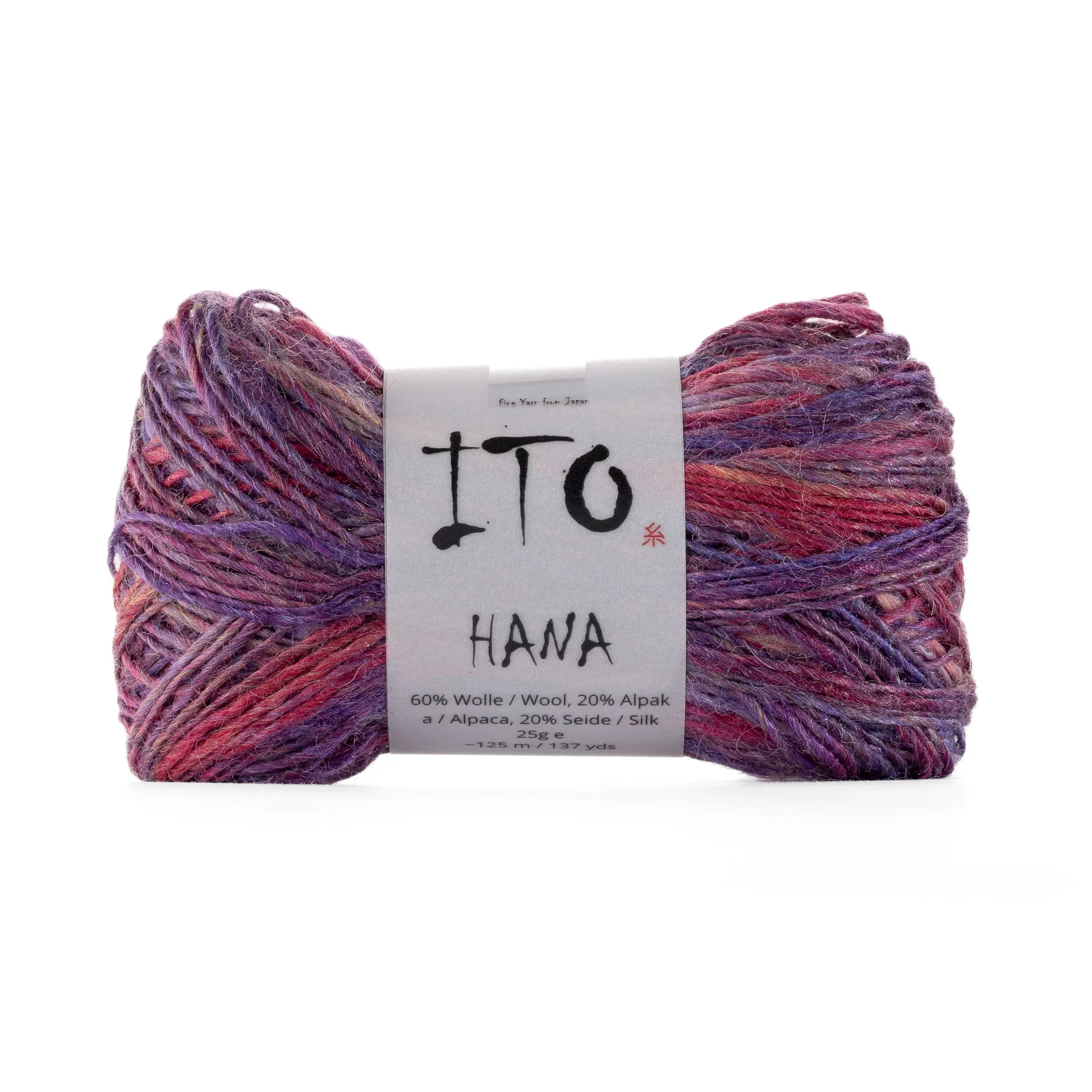
Hana is a true marvel of colors! This yarn impresses with its unique dyeing and spinning, which create a varied color theme in the yarn flow. The result is a lively and fascinating knitting experience that makes every project unique. Whether knitted or crocheted, ITO Hana is fun to work with and the finished pieces are a real eye-catcher.
The luxurious blend of alpaca, wool and silk gives the yarn an incomparable softness and warmth that makes it ideal for the colder months. ITO Hana is perfect for jackets, sweaters and a variety of winter accessories such as scarves, hats and gloves. These fine materials not only ensure that they are comfortable to wear, but also that your handmade favorite pieces are highly durable and long-lasting.
Composition
60% Wool, 20% Alpaca, 20% Silk
Metreage ~125m/25g
Needle size 3,25mm
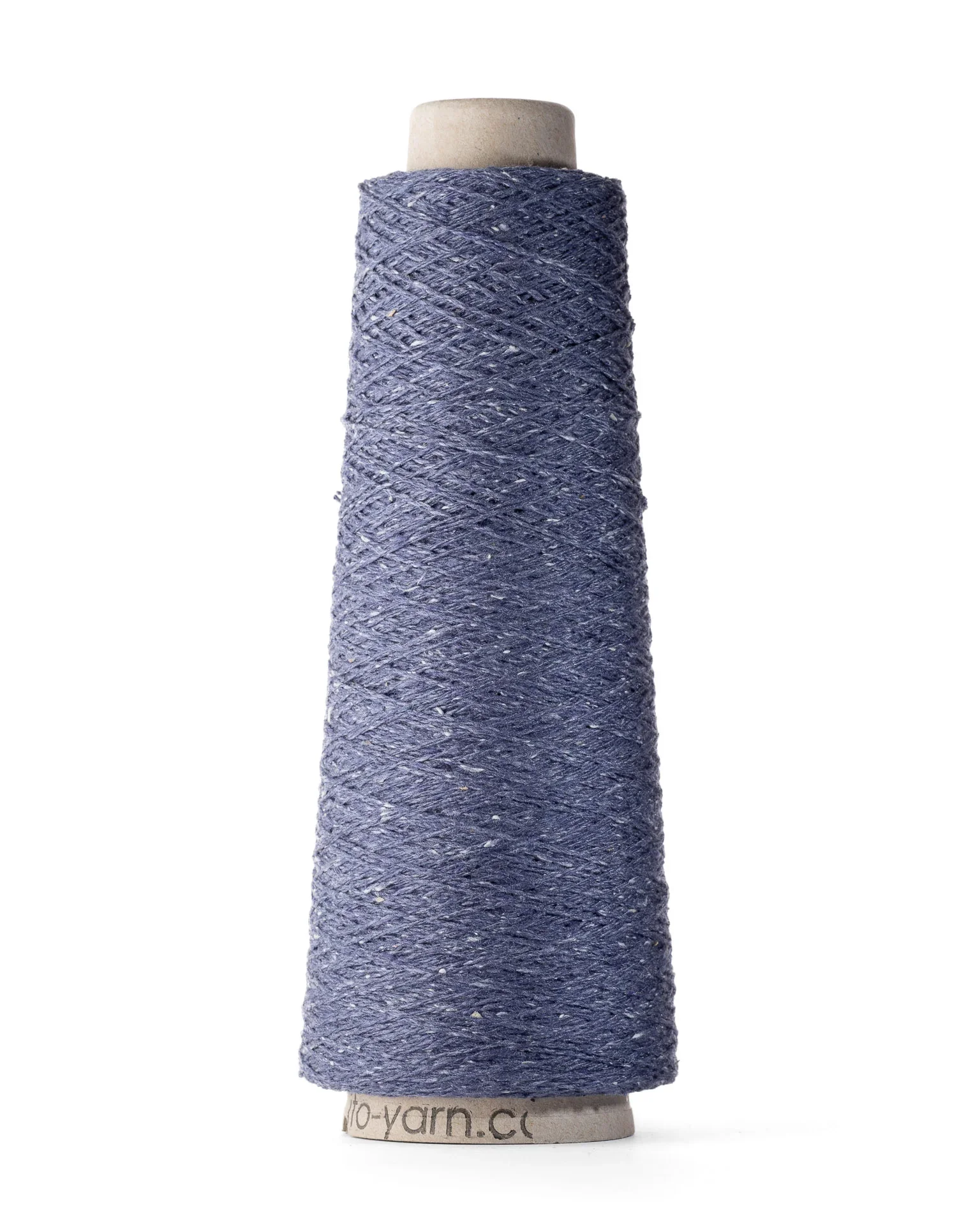
Kinu
Kinu is a 100% bourette silk, also known as organic silk due to its production from the spinning residues of filament silk. This environmentally friendly yarn is characterised by its unique melange look.
Composition
100% Silk
Metreage ~425m/50g
Needle size 3,25mm
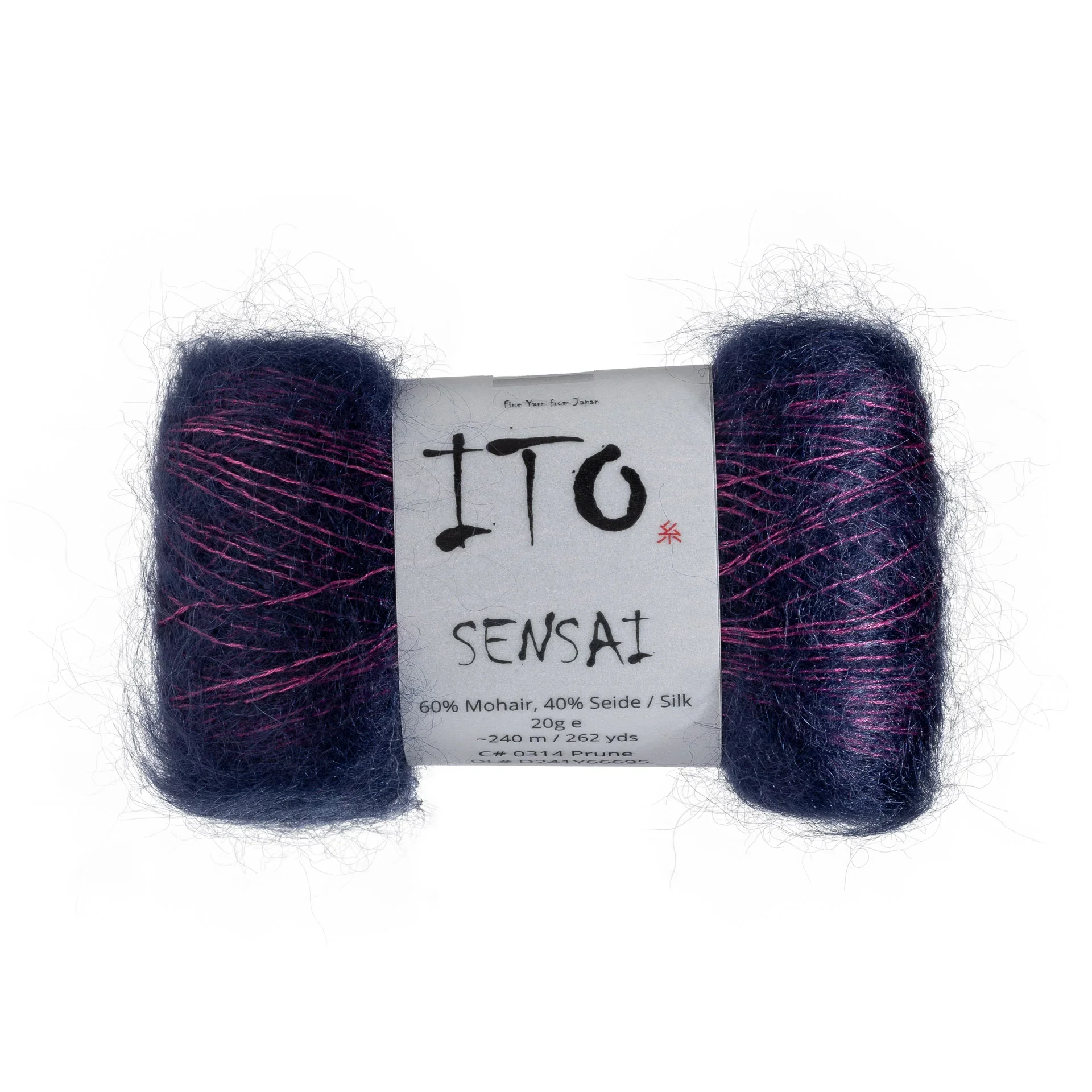
Sensai
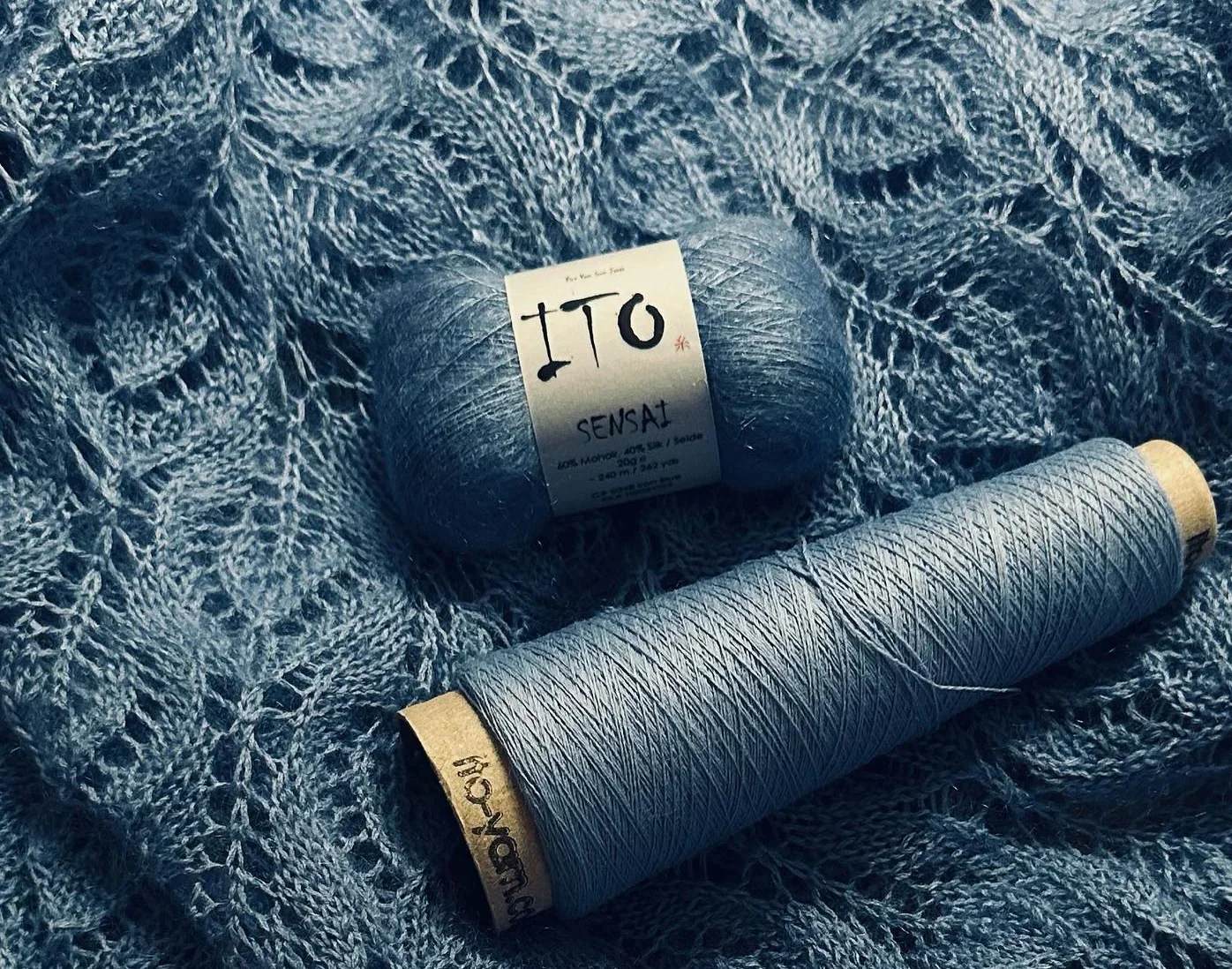
This yarn combines the delicate softness and elegant sheen of silk with the luxurious lightness of mohair. ITO Sensai is the perfect choice for knitting projects that need to exude elegance and sophistication. Available in 56 stunning colors, from soft pastels to bold, vibrant colors.
ITO Sensai is the ideal yarn for knitting projects that require a fine, light yet luxurious finish. It is perfect for lacework, lightweight shawls and scarves, elegant garments such as sweaters, cardigans and tops, and accessories that add a touch of sophistication and luxury.
Composition
60% Mohair, 40% Silk
Metreage ~240m/20g
Needle size 4mm
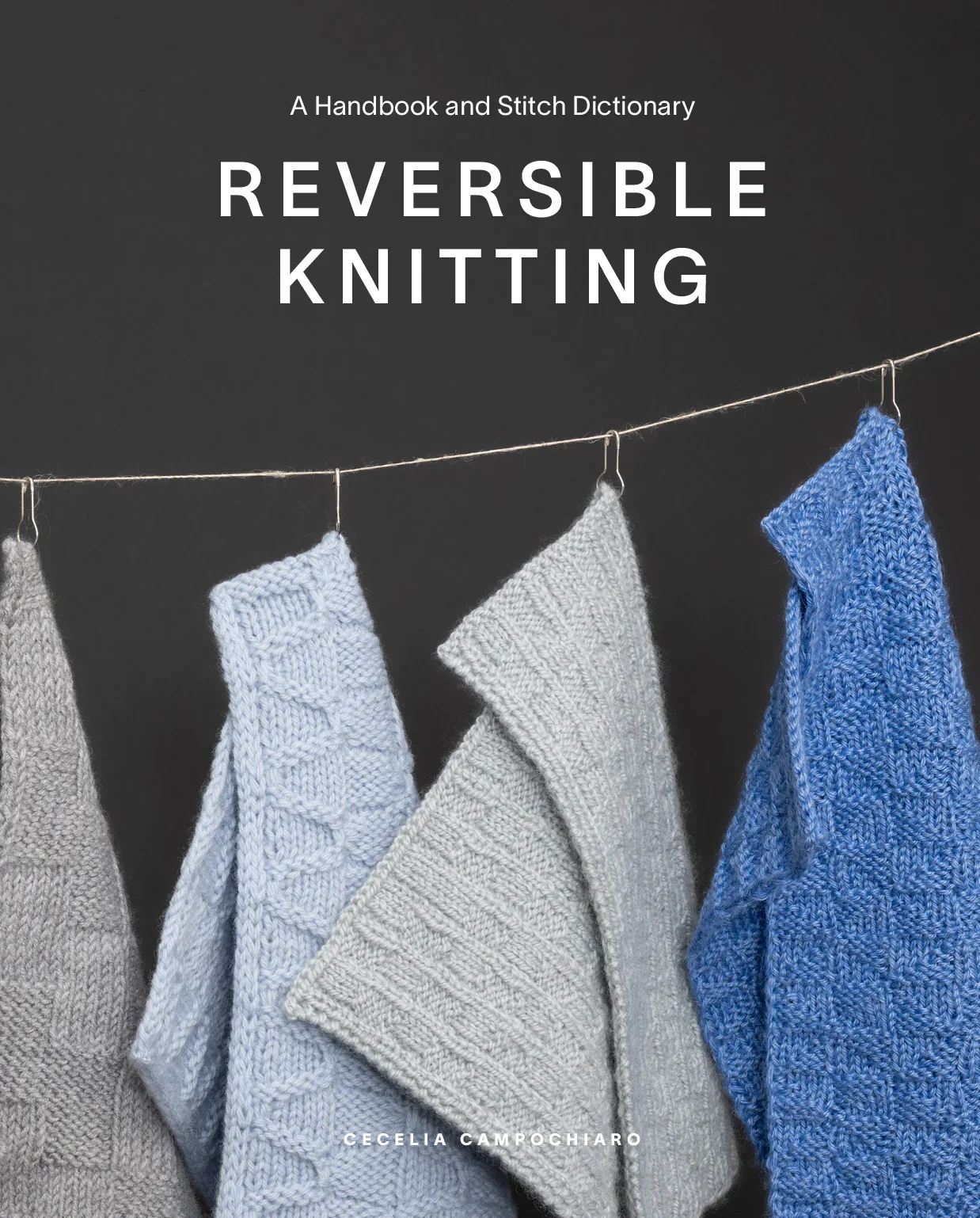
Reversible Knitting
Written by Cecelia Campochiaro.
Reversible Knitting takes a fresh look at reversible stitch patterns for hand knitting. By reversible, we mean both sides of the fabric look the same. Reversible Knitting includes a stitch dictionary with over 300 stitch patterns and extensive general information about working reversible fabrics. It has eight chapters.
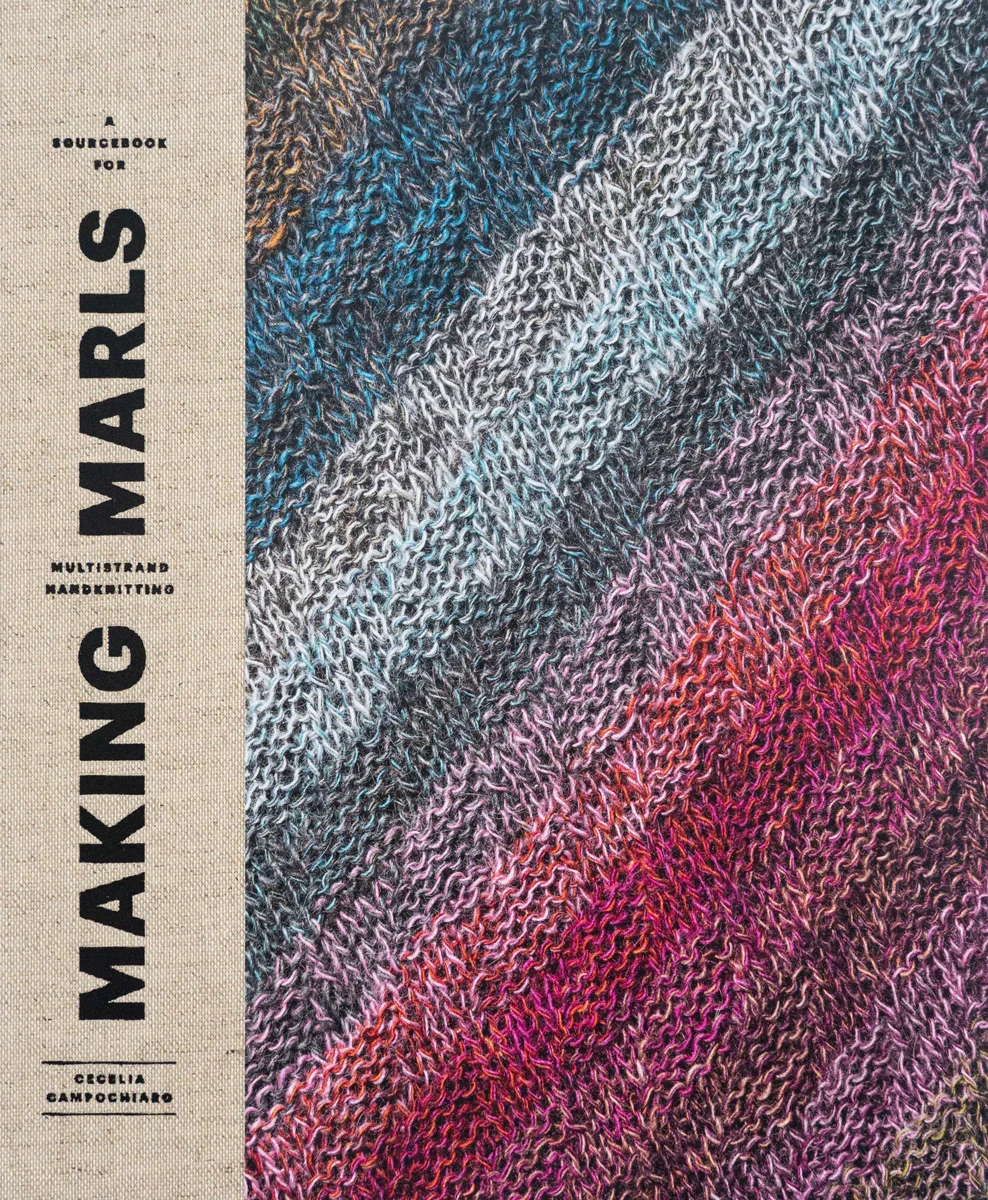
Making Marls
Written by Cecelia Campochiaro.
„Making Marls” is a ground-breaking, lushly illustrated, and beautifully made book about multistrand handknitting and the creation of marled fabrics. The technique is as simple as knitting multiple strands of yarn together. With this approach, any knitter can invent a vast number of textured and colored fabrics. As with her first book,“Sequence Knitting”, Campochiaro takes a systematic look at a subject that has been hiding in plain sight for centuries.
In “Making Marls”, the word “sequence” is used to describe the order of marled stripes, rather than the stitch sequences in “Sequence Knitting”. There are common-strand sequences, bridging sequences, sequences from gradient sets, complex sequences, and even improvisational sequences. The book can be approached on three levels:
A reference book about multistrand handknitting.
A pattern book with over thirty “recipes”.
A source book for designers and knitters who want to work with many colors.
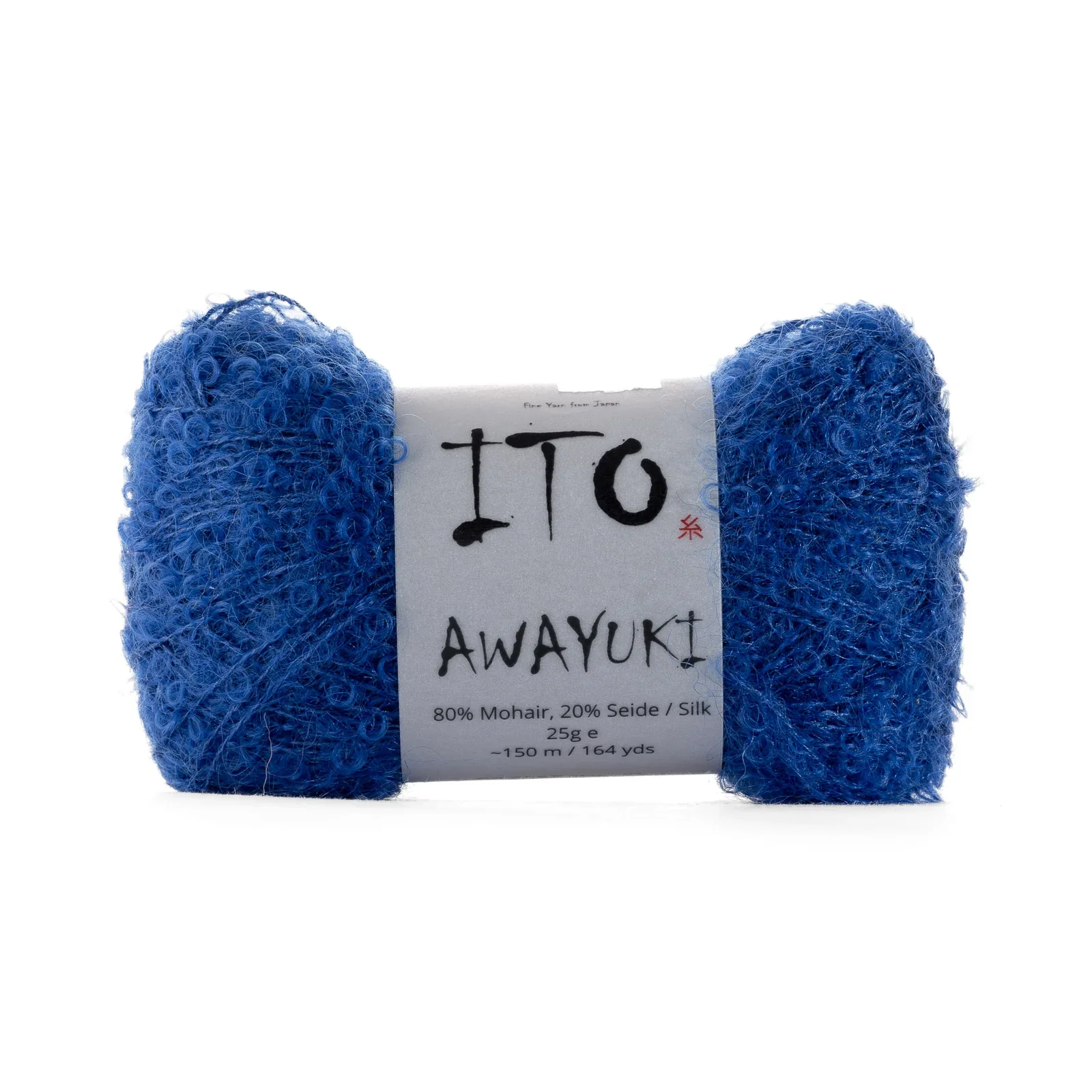
Awayuki
ITO Awayuki impresses with its extraordinary structure: Small mohair curls give the knitwear an interesting and delicate surface. This unique texture makes any knitwear an eye-catcher and provides a touch of luxury and elegance. The high-quality blend of mohair and silk offers a pleasantly soft feel that does not fluff, and is therefore ideal for fine knitting projects. Awayuki is available in 19 beautiful colors that are harmoniously coordinated. ITO Awayuki can be knitted wonderfully even on large needles.
Composition
80% Mohair, 20% Silk
Metreage ~150m/25g
Needle size 5mm